Perspectives in History
Engels
Geschiedenis & Religie
Tijdelijke aanbieding
1 maand voor € 1
Daarna € 9,99 / maandElk moment opzegbaar.
- 20 uur luisterboeken / maand
- Podcasts die je alleen op Podimo hoort
- Gratis podcasts
Over Perspectives in History
A podcast where I tell the story of lesser-known and or misunderstood events and people from history in a way that is hopefully as entertaining as it is informative. Formerly known as Historia Dramatica.
Alle afleveringen
71 afleveringen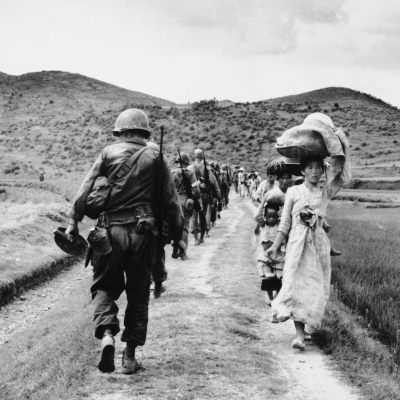
Korean War Part 3: Crossing the Parallel
War begins in earnest on the Korean peninsula, as North Korean forces cross the 38th parallel on June 25th, 1950. As the Korean People’s Army advances rapidly southward, the American government is forced to decide whether or not to intervene in the conflict before it is too late. Email me [%20perspectivesinhistorypod@gmail.com] Follow me on Twitter [https://twitter.com/kaiserwillemii] Like the show on Facebook [https://www.facebook.com/historiadramaticapod] Watch the show on YouTube [https://www.youtube.com/channel/UCxDbRAn94A6txCiKozsxB_g] Visit the eBay store [https://www.ebay.com/sch/historiadr-8/m.html?_nkw=&_armrs=1&_ipg=&_from=] Bibliography Cumings, Bruce. The Korean War: A History. Modern Library, 2011. Halliday, John and Cumings, Bruce. Korea: The Unknown War. Pantheon Books, 1988. Haruki, Wada. The Korean War: An International History. Rowman & Littlefield, 2018. Hanley, Charles J. Ghost Flames: Life and Death in a Hidden War, Korea 1950-1953. Hachette Book Group Inc, 2020. Hastings, Max. The Korean War. Simon and Schuster, 1987. Jager, Sheila Miyoshi. Brothers at War: The Unending Conflict in Korea. W.W. Norton & Company, 2013. Mitchell, Arthur H. Understanding the Korean War: The Participants, the Tactics, and the Course of the Conflict. McFarland & Company, 2013. Peters, Richard and Li, Xiaobing. Voices from the Korean War: American, Korean, and Chinese Soldiers. The University Press of Kentucky, 2004. Shinn, Bill. The Forgotten War Remembered, Korea: 1950-1953. Hollym International Corp, 1996. Cover Image: As U.S. infantrymen march into the Naktong River region, they pass a line of fleeing refugees. August 11th, 1950. (Photo by Bettmann via Getty Images) Opening Theme: Symphony No. 9 in E minor, "From the New World", Op. 95, B. 178 by Antonín Dvořák Closing Theme: Arirang, traditional Korean song, performed by the New York Philharmonic in Pyongyang, 2008.
Korean War Part 2: The Divided Nation
The year 1948 sees the establishment of two separate Korean governments in the north and south. Amidst growing tensions between the US and the USSR, the Korean peninsula seems poised to become the location of the first direct confrontation between the Soviets and Americans over spheres of influence. Email me [%20perspectivesinhistorypod@gmail.com] Follow me on Twitter [https://twitter.com/kaiserwillemii] Like the show on Facebook [https://www.facebook.com/historiadramaticapod] Watch the show on YouTube [https://www.youtube.com/channel/UCxDbRAn94A6txCiKozsxB_g] Visit the eBay store [https://www.ebay.com/sch/historiadr-8/m.html?_nkw=&_armrs=1&_ipg=&_from=] Bibliography Cumings, Bruce. The Korean War: A History. Modern Library, 2011. Halliday, John and Cumings, Bruce. Korea: The Unknown War. Pantheon Books, 1988. Haruki, Wada. The Korean War: An International History. Rowman & Littlefield, 2018. Hanley, Charles J. Ghost Flames: Life and Death in a Hidden War, Korea 1950-1953. Hachette Book Group Inc, 2020. Hastings, Max. The Korean War. Simon and Schuster, 1987. Jager, Sheila Miyoshi. Brothers at War: The Unending Conflict in Korea. W.W. Norton & Company, 2013. Mitchell, Arthur H. Understanding the Korean War: The Participants, the Tactics, and the Course of the Conflict. McFarland & Company, 2013. Peters, Richard and Li, Xiaobing. Voices from the Korean War: American, Korean, and Chinese Soldiers. The University Press of Kentucky, 2004. Shinn, Bill. The Forgotten War Remembered, Korea: 1950-1953. Hollym International Corp, 1996. Cover Image: As U.S. infantrymen march into the Naktong River region, they pass a line of fleeing refugees. August 11th, 1950. (Photo by Bettmann via Getty Images) Opening Theme: Symphony No. 9 in E minor, "From the New World", Op. 95, B. 178 by Antonín Dvořák Closing Theme: Arirang, traditional Korean song, performed by the New York Philharmonic in Pyongyang, 2008.
Korean War Part 1: Traitors and Patriots
After having long been subjected to the rule of foreign powers, it seemed that with the defeat of Japan, the dream of Korean independence might finally be realized. However, the victorious allied powers of World War II had other plans. Download Every [https://www.meetevery.com/] Email me [%20perspectivesinhistorypod@gmail.com] Follow me on Twitter [https://twitter.com/kaiserwillemii] Like the show on Facebook [https://www.facebook.com/historiadramaticapod] Watch the show on YouTube [https://www.youtube.com/channel/UCxDbRAn94A6txCiKozsxB_g] Visit the eBay store [https://www.ebay.com/sch/historiadr-8/m.html?_nkw=&_armrs=1&_ipg=&_from=] Bibliography Cumings, Bruce. The Korean War: A History. Modern Library, 2011. Halliday, John and Cumings, Bruce. Korea: The Unknown War. Pantheon Books, 1988. Haruki, Wada. The Korean War: An International History. Rowman & Littlefield, 2018. Hanley, Charles J. Ghost Flames: Life and Death in a Hidden War, Korea 1950-1953. Hachette Book Group Inc, 2020. Hastings, Max. The Korean War. Simon and Schuster, 1987. Jager, Sheila Miyoshi. Brothers at War: The Unending Conflict in Korea. W.W. Norton & Company, 2013. Mitchell, Arthur H. Understanding the Korean War: The Participants, the Tactics, and the Course of the Conflict. McFarland & Company, 2013. Peters, Richard and Li, Xiaobing. Voices from the Korean War: American, Korean, and Chinese Soldiers. The University Press of Kentucky, 2004. Shinn, Bill. The Forgotten War Remembered, Korea: 1950-1953. Hollym International Corp, 1996. Cover Image: As U.S. infantrymen march into the Naktong River region, they pass a line of fleeing refugees. August 11th, 1950. (Photo by Bettmann via Getty Images) Opening Theme: Symphony No. 9 in E minor, "From the New World", Op. 95, B. 178 by Antonín Dvořák Closing Theme: Arirang, traditional Korean song, performed by the New York Philharmonic in Pyongyang, 2008.
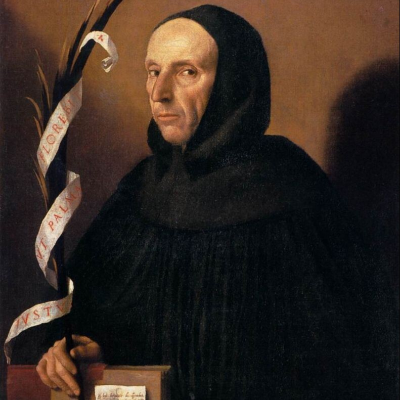
Savonarola Part 11: Death and Afterlife
Savonarola and his companions are brought before a tribunal and sentenced to death. Despite being formally condemned as a heretic, the friar's legacy would continue to cast a long shadow over Florentine politics in the years to come. Email me [%20historiadramaticapod@gmail.com] Follow me on Twitter [https://twitter.com/kaiserwillemii] Like the show on Facebook [https://www.facebook.com/historiadramaticapod] Watch the show on YouTube [https://www.youtube.com/channel/UCxDbRAn94A6txCiKozsxB_g] Visit the eBay store [https://www.ebay.com/sch/historiadr-8/m.html?_nkw=&_armrs=1&_ipg=&_from=] Bibliography: Bartlett, Kenneth. Florence in the Age of the Medici and Savonarola, 1464-1498: A Short History with Documents. Hackett Publishing, 2018. Landucci, Luca. A Florentine Diary from 1450 to 1516. Columbia University Press, 1927. Martines, Lauro. Fire in the City: Savonarola and the Struggle for the Soul of Renaissance Florence. Oxford University Press, 2005. Savonarola, Girolamo. A Guide to Righteous Living and Other Works. Toronto Center for Reformation and Renaissance Studies, 2003. Strathern, Paul. Death in Florence: The Medici, Savonarola, and the Battle for the Soul of a Renaissance City. Pegasus Books, 2016. Villari, Pasquale. Life and Times of Girolamo Savonarola. University of the Pacific Press, 2004. Weinstein, Donald. Savonarola: The Rise and Fall of a Renaissance Prophet. Yale University Press, 2011. Cover Image: Portrait of a Dominican, presumed to be Girolamo Savonarola, c. 1524 Opening Theme: Symphony No. 9 in E minor, "From the New World", Op. 95, B. 178 by Antonín Dvořák Closing Theme: "Dies Irae" performed by the Monastic Choir of the Grimbergen Abbey
Savonarola Part 10: Hope and Despair
As Savonarola languishes in his prison cell, his faith is tested. Reckoning with his inner battle between hope and despair, Savonarola would then write a series of religious tracts that have since taken on great theological significance. Email me [%20historiadramaticapod@gmail.com] Follow me on Twitter [https://twitter.com/kaiserwillemii] Like the show on Facebook [https://www.facebook.com/historiadramaticapod] Watch the show on YouTube [https://www.youtube.com/channel/UCxDbRAn94A6txCiKozsxB_g] Visit the eBay store [https://www.ebay.com/sch/historiadr-8/m.html?_nkw=&_armrs=1&_ipg=&_from=] Bibliography: Bartlett, Kenneth. Florence in the Age of the Medici and Savonarola, 1464-1498: A Short History with Documents. Hackett Publishing, 2018. Landucci, Luca. A Florentine Diary from 1450 to 1516. Columbia University Press, 1927. Martines, Lauro. Fire in the City: Savonarola and the Struggle for the Soul of Renaissance Florence. Oxford University Press, 2005. Savonarola, Girolamo. A Guide to Righteous Living and Other Works. Toronto Center for Reformation and Renaissance Studies, 2003. Strathern, Paul. Death in Florence: The Medici, Savonarola, and the Battle for the Soul of a Renaissance City. Pegasus Books, 2016. Villari, Pasquale. Life and Times of Girolamo Savonarola. University of the Pacific Press, 2004. Weinstein, Donald. Savonarola: The Rise and Fall of a Renaissance Prophet. Yale University Press, 2011. Cover Image: Portrait of a Dominican, presumed to be Girolamo Savonarola, c. 1524 Opening Theme: Symphony No. 9 in E minor, "From the New World", Op. 95, B. 178 by Antonín Dvořák Closing Theme: "Dies Irae" performed by the Monastic Choir of the Grimbergen Abbey
Kies je abonnement
Tijdelijke aanbieding
Premium
20 uur aan luisterboeken
Podcasts die je alleen op Podimo hoort
Gratis podcasts
Elk moment opzegbaar
1 maand voor € 1
Daarna € 9,99 / maand
Premium Plus
Onbeperkt luisterboeken
Podcasts die je alleen op Podimo hoort
Gratis podcasts
Elk moment opzegbaar
Probeer 30 dagen gratis
Daarna € 11,99 / month
Alleen bij Podimo



Populaire luisterboeken










1 maand voor € 1. Daarna € 9,99 / maand. Elk moment opzegbaar.