
Bridging the Gap: Insights & Innovations in Construction
inglés
Negocios
Oferta limitada
1 mes por 1 €
Después 4,99 € / mesCancela cuando quieras.
- 20 horas de audiolibros / mes
- Podcasts solo en Podimo
- Podcast gratuitos
Acerca de Bridging the Gap: Insights & Innovations in Construction
Join the innovation adventure that spotlights MEP and the construction industry – advancements in technology, distinctive perspectives, the soft skills required for successful digital transformation, and stories about the problem-solving mindset that continues to shape this great industry and propel it forward. The Bridging the Gap Podcast gives voice to the incredible things happening in and around construction while championing the fact that this is a great industry to be in. The host, Todd Weyandt, seeks out enlightening conversations with industry experts who are changing the technological landscape. Engaging a full spectrum of voices, he champions an industry dialogue that supports companies as they try new things, advance and thrive. He is on a mission to embrace and share the innovations transforming the AEC, MEP and manufacturing industries. The Bridging the Gap Podcast is brought to you by Applied Software. With solutions for the modern project, Applied is on a mission to transform industries by empowering clients and championing innovation with real-world expert consultants. Bringing you a comprehensive array of solutions for AEC, MEP and manufacturing, the experts of Applied have a singular focus – helping you achieve higher performance. Visit asti.com today.
Todos los episodios
357 episodios
Prefab, Unfiltered | Scaling Drywall Prefabrication Through BIM & Coordination
Drywall prefabrication is still in its growth phase. In this episode of Prefab, Unfiltered, recorded live at Advancing Prefabrication, Todd Weyandt sits down with Kiryl Turbal to explore how drywall prefab can scale through tighter BIM workflows, better coordination, and a value stream mindset. While electrical and mechanical trades have matured in prefabrication, drywall remains an evolving space. Success depends on treating prefab operations as strategic value streams, aligning design and field teams earlier, and acknowledging the real time required for coordination. This conversation dives into BIM-to-fabrication workflows, communication gaps between modelers and foremen, the role of repetition in building maturity, and how AI and data security may influence future drywall prefab operations. If you are involved in prefabrication, drywall construction, BIM coordination, modular construction, or industrialized building strategies, this episode offers practical insight into scaling an emerging prefab trade. You’ll Learn * Why drywall prefabrication requires a value stream mindset * How BIM-to-fabrication workflows can improve drywall productivity * Why coordination takes longer than most schedules allow * The communication gaps between modelers and field crews * How repetition and documented lessons drive prefab maturity * Where drywall prefab stands compared to electrical and mechanical trades Meet Our Guest Kiryl Turbal is Prefabrication Project Manager at TG McCorkney, where he focuses on drywall prefabrication and BIM-driven construction workflows. With a background in structural engineering and more than a decade in design, he brings technical rigor and process discipline to prefab operations. His work centers on improving coordination, tightening BIM-to-fabrication processes, and building scalable workflows that support drywall prefab growth. Todd Takes Treat Prefabrication as a Value Stream, Not a Cost Center. Prefab operations should be measured by throughput and value creation, not overhead. When leadership treats drywall prefab as strategic, scale becomes possible. Coordination Always Takes Longer Than We Admit. BIM-to-fabrication workflows require time and discipline. When coordination is compressed unrealistically, friction follows. Prefab maturity requires honest scheduling. Repetition Builds Maturity. Drywall prefabrication is still evolving. Capturing lessons learned and standardizing workflows creates repeatability and long-term scale. More Resources Thanks for listening! Please be sure to leave a rating and/or review and follow up our social accounts. Bridging the Gap Website [https://bridgingthegappod.com/] Bridging the Gap LinkedIn [https://www.linkedin.com/showcase/64601517] Bridging the Gap Instagram [https://www.instagram.com/bridgingthegappod/] Bridging the Gap YouTube [https://www.youtube.com/@btgpod] Todd’s LinkedIn [https://www.linkedin.com/in/toddweyandt/] Kiryl’s LinkedIn [https://www.linkedin.com/in/kiryl-turbal-136066a3/] TJ McCartney’s Website [https://www.tjminc.com/] Thank you to our sponsors! Graitec North America [https://www.asti.com/] Graitec North America LinkedIn [https://www.linkedin.com/company/graitec-namer] Autodesk’s Website [https://www.autodesk.com/]

Prefab, Unfiltered | Automation, AI & Robotics in Prefabrication Operations
Automation is not hype. It is strategy. In this episode of Prefab, Unfiltered, recorded live at Advancing Prefabrication, Todd Weyandt sits down with Ivan Yrupailla to explore how automation, AI, robotics, and structured systems are reshaping prefabrication operations. As contractors push more work into controlled shop environments, success depends on more than software. It requires disciplined inventory control, defined production logic, supply chain visibility, and clear process design. Without strong operational foundations, automation simply accelerates inefficiency. This conversation dives into how prefab teams can build scalable systems that improve speed, predictability, and competitive advantage. If you are involved in prefabrication, modular construction, construction automation, robotics, or supply chain strategy, this episode delivers a forward-looking but practical perspective on what the next decade of industrialized construction may require. You’ll Learn * The difference between automation and artificial intelligence in prefab * Why process logic must come before robotics implementation * How inventory control and supply chain visibility drive production efficiency * The role first-line operators play in improving systems * Why automation may become a competitive necessity in construction * How robotics could reshape prefabrication production lines Meet Our Guest Ivan Urquaya is Director of Materials and Prefabrication at Ambient Mechanical, where he oversees supply chain strategy, inventory systems, safety stock management, and production flow within prefabrication operations. His work focuses on building scalable operational systems that allow contractors to move more work into controlled environments while improving predictability and performance. With a forward-looking perspective on automation and robotics, Ivan brings a systems-driven mindset to industrialized construction. Todd Takes Automation Is Not AI. It Is Discipline. Technology does not fix broken systems. Before implementing robotics or AI in prefabrication, teams must understand their processes, bottlenecks, and production logic. Automation scales systems. It does not correct poor ones. First-Line Operators Drive Real Improvement. The people closest to production often see inefficiencies first. Successful prefab operations create real feedback loops between leadership and shop-level teams to continuously improve workflows. The Competitive Window Is Closing. Automation in prefabrication is becoming a strategic advantage. Contractors who invest in structured operational systems will gain speed, cost, and predictability advantages. Those who delay risk falling behind as industrialized construction matures. More Resources Thanks for listening! Please be sure to leave a rating and/or review and follow up our social accounts. Bridging the Gap Website [https://bridgingthegappod.com/] Bridging the Gap LinkedIn [https://www.linkedin.com/showcase/64601517] Bridging the Gap Instagram [https://www.instagram.com/bridgingthegappod/] Bridging the Gap YouTube [https://www.youtube.com/@btgpod] Todd’s LinkedIn [https://www.linkedin.com/in/toddweyandt/] Ivan’s LinkedIn [https://www.linkedin.com/in/ivan-yrupailla-cpim/] AMPAM’s Website [http://www.ampam.com/] Thank you to our sponsors! Graitec North America [https://www.asti.com/] Graitec North America LinkedIn [https://www.linkedin.com/company/graitec-namer] Autodesk’s Website [https://www.autodesk.com/]

Prefab, Unfiltered | From Construction to Manufacturing in Modular & Prefabrication
Building components in a warehouse does not automatically make you a manufacturer. In this episode of Prefab, Unfiltered, recorded live at Advancing Prefabrication, Todd Weyandt sits down with Jon Benson to explore what it truly means to transition from traditional construction to productized manufacturing in modular construction and prefabrication. As industrialized construction matures, the conversation is shifting from “offsite construction” to serialization, guardrails, and repeatable systems. Scaling prefab requires more than space and labor. It requires product discipline, standardized workflows, and the willingness to protect the system. This conversation dives into how modular construction companies can move beyond project-by-project customization and into scalable manufacturing models that protect margin, schedule, and quality. If you are involved in prefabrication, modular construction, industrialized construction, or productized building systems, this episode offers a strategic look at what real manufacturing maturity requires. You’ll Learn * The difference between construction in a warehouse and true manufacturing * Why serialization and productization are critical to scaling prefab * How guardrails protect repeatability and profitability * When to say no in order to protect standardization * Why buyer maturity influences prefab adoption * How product thinking reshapes modular construction strategy Meet Our Guest Jon Benson brings more than two decades of experience in modular construction and industrialized manufacturing. With a background rooted in OEM and manufacturing environments, he has helped guide the evolution from offsite construction toward serialized, product-based building systems. His perspective centers on discipline, repeatability, and aligning operational capability with market demand to create scalable prefab strategies. Todd Takes Prefabrication Is Not Manufacturing Until It Is Serialized. True manufacturing requires repeatability, standardization, and product discipline. Without serialization and guardrails, prefabrication remains project-based and difficult to scale. Productization Requires Saying No. Mature prefab operations protect their systems. Not every customization should be accepted. Guardrails preserve margin, schedule, and quality across projects. Buyers Matter as Much as Builders. Scaling modular construction depends on procurement alignment. When owners and contractors understand and commit to standardized systems, prefab can move from one-off solutions to scalable programs. More Resources Thanks for listening! Please be sure to leave a rating and/or review and follow up our social accounts. Bridging the Gap Website [https://bridgingthegappod.com/] Bridging the Gap LinkedIn [https://www.linkedin.com/showcase/64601517] Bridging the Gap Instagram [https://www.instagram.com/bridgingthegappod/] Bridging the Gap YouTube [https://www.youtube.com/@btgpod] Todd’s LinkedIn [https://www.linkedin.com/in/toddweyandt/] Jon’s LinkedIn [https://www.linkedin.com/in/jwbenson/] TAS Energy’s Website [http://www.tas.com/] Thank you to our sponsors! Graitec North America [https://www.asti.com/] Graitec North America LinkedIn [https://www.linkedin.com/company/graitec-namer] Autodesk’s Website [https://www.autodesk.com/]
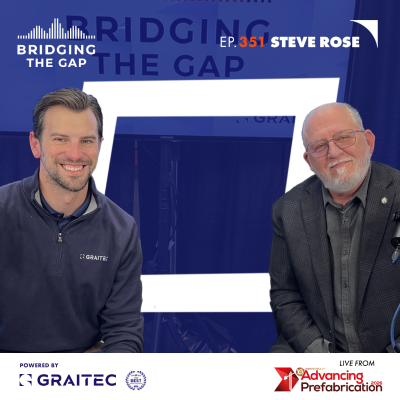
Prefab, Unfiltered | Scaling Prefabrication from One Shop to Regional Operations
Prefabrication does not scale by accident. It scales through leadership, systems, and alignment. In this episode of Prefab, Unfiltered, recorded live at Advancing Prefabrication, Todd Weyandt sits down with Steve Rose to explore what it really takes to grow prefabrication from a single fabrication shop into a regional operation. As owners push for faster project delivery in data centers and mission-critical construction, contractors are being asked to scale prefabrication at an accelerated pace. But scaling is not just about square footage or automation. It requires workforce development, operational discipline, and clear communication across the shop, field, and back office. This conversation unpacks how prefabrication has evolved from a contractor-driven margin strategy to an owner-driven speed-to-market mandate and what leaders must do to adapt. If you are involved in prefabrication, modular construction, electrical contracting, or industrialized construction strategy, this episode offers a seasoned perspective on scaling the right way. You’ll Learn * How prefabrication has shifted from margin protection to owner-driven speed * What it takes to scale from one fabrication shop to multiple regional facilities * Why workforce development is central to prefab growth * How to define success across shop, field, and leadership teams * The role communication plays in scaling industrialized construction * Why alignment matters more than automation Meet Our Guest Steve Rose brings more than four decades of experience in the electrical trade, workforce development, and prefabrication. An early adopter of fabrication and packaging strategies, he has helped scale operations from single-shop environments to regional fabrication networks. His leadership perspective bridges field experience, shop operations, and executive strategy, offering a grounded view of what it takes to grow prefabrication sustainably and effectively. Todd Takes Prefabrication Has Shifted from Margin Play to Market Mandate. Prefab once focused on contractor efficiency. Today, it is often driven by owners demanding faster delivery in data center and mission-critical construction. That shift raises expectations and accelerates the need for scalable fabrication systems. Scaling Prefabrication Is a Leadership Challenge. Opening additional fabrication facilities requires more than capital investment. It demands alignment across teams, clear metrics of success, disciplined systems, and leaders who understand both manufacturing and field execution. Communication Is the Most Underrated Lever. Technology alone does not drive prefab adoption. Clear communication between shop, field, and leadership teams builds trust and momentum. Industrialized construction scales when people are aligned. More Resources Thanks for listening! Please be sure to leave a rating and/or review and follow up our social accounts. Bridging the Gap Website [https://bridgingthegappod.com/] Bridging the Gap LinkedIn [https://www.linkedin.com/showcase/64601517] Bridging the Gap Instagram [https://www.instagram.com/bridgingthegappod/] Bridging the Gap YouTube [https://www.youtube.com/@btgpod] Todd’s LinkedIn [https://www.linkedin.com/in/toddweyandt/] Steve’s LinkedIn [https://www.linkedin.com/in/steven-rose-1750a075/] NetZero Plus Electrical Training Institute [http://nzp-eti.com/] Thank you to our sponsors! Graitec North America [https://www.asti.com/] Graitec North America LinkedIn [https://www.linkedin.com/company/graitec-namer] Autodesk’s Website [https://www.autodesk.com/]

Prefab, Unfiltered | Why Prefabrication Fails Without Systems & Field Buy-In
Prefabrication does not fail because of technology. It fails because of systems and culture. In this episode of Prefab, Unfiltered, recorded live at Advancing Prefabrication, Todd Weyandt sits down with Jim Wallner to explore what it really takes to scale prefabrication inside an electrical contractor. Moving work into a shop is not the same as building a manufacturing operation. Scaling prefab requires systems, realistic goals, inventory discipline, and field trust. Without those foundations, even the best intentions can create resistance and friction. This conversation dives into the operational realities of industrialized construction, how to avoid forcing prefab onto crews, and why sometimes the right strategic decision is to say no. If you are involved in prefabrication, modular construction, electrical contracting, or manufacturing-based construction delivery, this episode offers a grounded and practical perspective on what actually works. You’ll Learn * Why forcing prefabrication creates field resistance * The difference between construction thinking and manufacturing thinking * How to set achievable prefab goals * When not to fabricate and why that discipline matters * How grassroots shop training builds long-term adoption * What systems are required to scale industrialized construction Meet Our Guest Jim Wallner began his career in sales and manufacturing before transitioning into the electrical trade at Staff Electric. He later shifted his focus toward growing and systematizing the company’s fabrication operations. With experience on both the manufacturing and field sides of the business, Jim brings a practical and disciplined perspective to scaling prefabrication inside a real-world contracting environment. His approach centers on achievable goals, strong systems, and earning buy-in through results. Todd Takes You Cannot Force Prefabrication. Prefab adoption must be earned. When leadership mandates fabrication without proving value to the field, resistance grows. Prefabrication scales when it consistently makes installation easier and more predictable. Manufacturing Thinking Requires Systems. Construction rewards speed. Manufacturing rewards discipline. Scaling prefabrication requires documentation, inventory management, realistic production planning, and repeatable workflows. Without systems, efficiency does not appear. Sometimes the Right Answer Is No. Not every project should be fabricated. Strategic discipline means knowing when prefab adds value and when it introduces unnecessary risk. Scaling prefab is about doing the right work in the shop, not simply doing more work there. More Resources Thanks for listening! Please be sure to leave a rating and/or review and follow up our social accounts. Bridging the Gap Website [https://bridgingthegappod.com/] Bridging the Gap LinkedIn [https://www.linkedin.com/showcase/64601517] Bridging the Gap Instagram [https://www.instagram.com/bridgingthegappod/] Bridging the Gap YouTube [https://www.youtube.com/@btgpod] Todd’s LinkedIn [https://www.linkedin.com/in/toddweyandt/] Jim’s LinkedIn [https://www.linkedin.com/in/jim-wallner-b98a781b6/] Staff Electric’s Website [http://www.staffelectric.com/] Thank you to our sponsors! Graitec North America [https://www.asti.com/] Graitec North America LinkedIn [https://www.linkedin.com/company/graitec-namer] Autodesk’s Website [https://www.autodesk.com/]
Elige tu suscripción
Más populares
Oferta limitada
Premium
20 horas de audiolibros
Podcasts solo en Podimo
Disfruta los shows de Podimo sin anuncios
Cancela cuando quieras
1 mes por 1 €
Después 4,99 € / mes
Premium Plus
100 horas de audiolibros
Podcasts solo en Podimo
Disfruta los shows de Podimo sin anuncios
Cancela cuando quieras
Disfruta 30 días gratis
Después 9,99 € / mes
Sólo en Podimo
























Audiolibros populares
























1 mes por 1 €. Después 4,99 € / mes. Cancela cuando quieras.