EMplify by EB Medicine
engelsk
Helse og personlig utvikling
Tidsbegrenset tilbud
1 Måned for 9 kr
Deretter 99 kr / MånedAvslutt når som helst.
- 20 timer lydbøker i måneden
- Eksklusive podkaster
- Gratis podkaster
Les mer EMplify by EB Medicine
Take a deeper dive into our peer-reviewed emergency medicine content with the EMplify podcast. Join hosts Sam Ashoo, MD and T.R. Eckler, MD for educational, conversational reviews of current evidence guaranteed to help you make your best clinical decisions. Each high-yield episode gives you practical, time-tested guidance from practicing emergency medicine clinicians and subject-matter experts. Listen and learn!
Alle episoder
176 Episoder
Measles, Mumps, Rubella, and Varicella with Dr Tim Horeczko
In this episode, Sam Ashoo, MD and Tim Horeczko, MD discuss the November 2025 Pediatric Emergency Medicine Practice article, Emergency Department Management of Measles, Mumps, Rubella, and Varicella in Pediatric Patients [https://www.ebmedicine.net/topics/infectious-disease/pediatric-emergency-medicine-measles-mumps-rubella-varicella] 00:00 Introduction to Emergency Medicine 00:21 Welcome and Holiday Greetings 01:16 Special Guest Introduction 01:41 Discussion on Pediatric Emergency Medicine 04:55 Epidemiology of Measles 08:16 Challenges in Diagnosing Measles 14:27 Mumps: Symptoms and Complications 27:36 Rubella: Risks and Symptoms 29:28 Varicella: Symptoms and Precautions 33:12 Differential Diagnosis and Conclusion 35:14 Using Inductive Reasoning in Medical Diagnosis 35:40 Recognizing Purpuric Rash and Its Implications 36:22 Guidance for EMS Colleagues on Handling Fever and Rash 37:14 Importance of Communication and Relationships with EMS 39:12 Decontamination and PPE Protocols for EMS 42:34 Detailed Patient Assessment in the ED 46:06 Diagnostic Testing and Clinical Diagnosis 49:20 Reporting Responsibilities and Treatment Protocols 01:01:19 Addressing Vaccine Controversies and Public Trust 01:06:25 Conclusion and Additional Resources Check out Dr Horeczko's podcast - Pediatric Emergency Playbook [https://pemplaybook.org/] Emergency Medicine Residents, get your free subscription by writing resident@ebmedicine.net

Alcohol Withdrawal
In this episode, Sam Ashoo, MD and T.R. Eckler, MD discuss the November 2025 Emergency Medicine Practice article, Diagnosis and Management of Emergency Department Patients With Alcohol Withdrawal Syndrome [https://www.ebmedicine.net/topics/toxicological-environmental/emergency-medicine-alcohol-withdrawal] 1. Epidemiology & Background * Rising ED visits related to alcohol use. * Mortality rates and spectrum of patient presentations. * Importance of high suspicion and complexity of cases. * Pathophysiology & Mechanisms * Alcohol metabolism and neurochemical changes. * Differential diagnosis: Conditions that mimic alcohol withdrawal. * Prehospital & EMS Considerations * Role of EMS in triage and initial management. * Use of sobering centers vs. ED transport. * Prehospital administration of benzodiazepines (IM midazolam). * History & Risk Assessment * Key questions to assess risk for alcohol withdrawal syndrome. * Importance of patient history, medication use, and comorbidities. * Discussion on patient honesty and rapport. * Physical Exam & Scoring Systems * DSM-5 criteria for alcohol withdrawal. * Use of CIWA-AR, BAWS, and PAWSS scoring systems. * Importance of objective measurement for monitoring and disposition. * Complications & Special Presentations * Complicated alcohol withdrawal: Hallucinosis, seizures, delirium tremens. * Diagnostic workup: Labs, imaging, and co-ingestions. * Special populations: End-stage liver disease, pregnancy, intubated patients. * Treatment Strategies * Mainstay: Benzodiazepines (types, dosing, and protocols). * Phenobarbital: Indications, dosing, and evidence. * Adjunctive therapies: Thiamine, glucose, magnesium. * Alternative/adjunct medications: Gabapentin, ketamine, dexmedetomidine, baclofen. * Clinical Pearls & Practice Changes * Early, aggressive therapy to prevent complications. * Symptom-based vs. fixed-schedule treatment. * Gabapentin as an alternative or adjunct. * Anti-craving medications for relapse prevention. * Disposition & Protocols * Use of scoring systems for safe discharge, observation, or admission. * Importance of protocolized approaches and community resources. * Summary & Take-Home Points * Five key practice-changing points. * Clinical pathway. Emergency Medicine Residents, get your free subscription by writing resident@ebmedicine.net
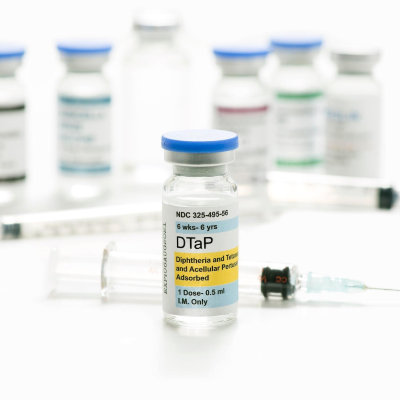
Diphtheria, Pertussis, and Tetanus with Dr Lara Zibners
In this episode, Sam Ashoo, MD and Lara Zibners, MD discuss the August 2025 Pediatric Emergency Medicine Practice article, Diphtheria, Pertussis, and Tetanus: An Update of Evidence-Based Management of Pediatric Patients in the Emergency Department [https://www.ebmedicine.net/topics/infectious-disease/pediatric-emergency-medicine-diphtheria-pertussis-tetanus] * Introduction and guest background * Host welcome, show context * Dr. Lara Zibners’ credentials * EB Medicine involvement * Personal stories and clinical experience * Memorable tetanus and pertussis cases * Vaccine advocacy * Rare disease encounters * Diphtheria: overview, presentation, treatment * Toxigenic vs. non-toxigenic, “bull neck” * Cardiac, neurologic complications * Antitoxin, antibiotics, public health * Pertussis: symptoms, vaccine, treatment * “100-day cough,” apnea in infants * Waning immunity, boosters * Azithromycin, treat contacts * Tetanus: risk, presentation, management * Clostridium ubiquity, no outbreaks * Muscle spasms, autonomic instability * Airway, sedation, antibiotics * Key ED takeaways and pearls * Early suspicion, isolation * ICU admission for severe cases * Vaccination, reporting * Resources and article summary * Appendix, clinical pathway * ebmedicine.net reference * CME, further reading * Guest’s podcast plug and closing remarks * “Unstable Vitals” podcast * Where to listen * Thank you, sign-off Check out Dr Zibner's podcast Unstable Vitals [https://www.unstablevitals.com/] Emergency Medicine Residents, get your free subscription by writing resident@ebmedicine.net
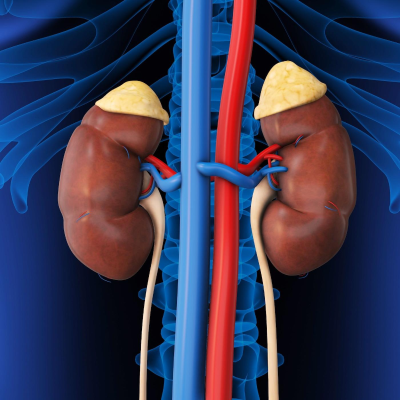
Adrenal Insufficiency
In this episode, Sam Ashoo, MD and T.R. Eckler, MD discuss the October 2025 Emergency Medicine Practice article, Emergency Department Evaluation and Management of Patients With Adrenal Insufficiency [https://www.ebmedicine.net/topics/endocrine/emergency-medicine-adrenal-insufficiency] Introduction * Welcome and host introductions * Brief overview of the episode’s topic * Resources and CME reminder Article Overview * Source: Emergency Medicine Practice, October 2025 * Authors: The Simcoes * Importance of evidence-based review Clinical Context & Epidemiology * Frequency and rarity of adrenal insufficiency * Diagnostic challenges and statistics * Importance of recognizing adrenal crisis Pathophysiology * Primary, secondary, and tertiary adrenal insufficiency * Causes and mechanisms * Key anatomical and physiological concepts Differential Diagnosis * Overlap with other diseases (infections, autoimmune, endocrine, psychiatric, cardiac, GI, etc.) * Importance of considering adrenal crisis in complex cases Prehospital Care * EMS recognition and limitations * Importance of medication history and emergency kits * Legal and logistical barriers to prehospital hydrocortisone Emergency Department Evaluation * Recognizing symptoms and prioritizing care * Role of EMR and clinical decision support * Key history and risk factors (medications, steroid use, opioid use, comorbidities) Physical Examination * Specific and nonspecific findings * Cushingoid features vs. primary adrenal insufficiency signs Diagnostic Workup * Laboratory studies (cortisol, ACTH, renin, aldosterone, TSH, etc.) * Imaging considerations * Gold standard tests and their limitations in the ED Treatment * Immediate administration of hydrocortisone * Dosing for adults and pediatrics * Supportive care (fluids, glucose, treating underlying cause) * Sick day dosing and home management Special Populations * Pregnancy considerations * Septic shock and adrenal crisis Common Pitfalls & Takeaways * Delaying steroids for labs/diagnosis * Importance of high suspicion and early treatment * Key trivia and learning points ClosingSummary and final thoughts * Reminders for further reading and CME * Farewell and next episode teaser Emergency Medicine Residents, get your free subscription by writing resident@ebmedicine.net

Steroid Use – An Interview with Dr. Evan Dvorin
In this episode, Sam Ashoo, MD interviews Evan Dvorin, MD about the dangers of short term steroid use. Background & Regional Differences * Dr. Dvorin’s clinical journey from New England to New Orleans. * Noticing increased use of corticosteroids for common conditions in the Southeast. * Discussion of how steroid prescribing practices vary by region and setting. Inappropriate Steroid Use * Common conditions where steroids are often inappropriately prescribed (sinus infections, bronchitis, sciatica, rashes, plantar fasciitis, etc.). * Trends showing increased steroid prescribing over time. * Similar patterns observed in emergency, urgent care, and primary care settings. Risks and Side Effects of Short-Term Steroid Use * Short-term steroids can cause significant side effects: infection, sepsis, bone fractures, thromboembolism, psychiatric effects, hyperglycemia. * Dose-response relationship: higher doses and repeated use increase risks. * Some side effects (e.g., bone loss) may persist beyond two months. Patient Communication & Shared Decision-Making * Importance of discussing risks with patients, tailored to individual risk factors (e.g., diabetes, psychiatric history, age). * Strategies for educating patients and managing expectations. * The role of patient education videos and resources. Impact of Provider Education & Quality Metrics * Ochsner Health’s initiatives to reduce inappropriate steroid use. * Use of CME, quality dashboards, and feedback to clinicians. * Evidence that education and reporting can reduce unnecessary prescriptions. Special Populations & Scenarios * Considerations for pediatric patients and repeated dosing. * Challenges when specialists recommend steroids for certain conditions (e.g., sciatica, neurosurgery cases). * The need for evidence-based practice and inter-provider communication. Medical-Legal Considerations * Lawsuits related to steroid side effects (e.g., fat atrophy, infection). * Importance of documentation and informed consent. Alternatives & Symptom Management * Focusing on treating the patient’s most bothersome symptoms. * Non-steroid options and the value of patient education about illness duration and expectations. Resources * Mention of Dr. Dvorin’s educational video on corticosteroid side effects (available on YouTube). * Reminder of EB Medicine’s journals and resources for further learning. Conclusion * Key takeaway: “Do no harm” and practice evidence-based medicine. * Encouragement for clinicians to review their prescribing habits and educate patients. Ochsner "Side effects from corticosteroids" Video: https://www.youtube.com/watch?v=PdMJ9HYxkck [https://www.youtube.com/watch?v=PdMJ9HYxkck]
Velg abonnementet ditt
Tidsbegrenset tilbud
Premium
20 timer lydbøker
Eksklusive podkaster
Gratis podkaster
Avslutt når som helst
1 Måned for 9 kr
Deretter 99 kr / Måned
Premium Plus
100 timer lydbøker
Eksklusive podkaster
Gratis podkaster
Avslutt når som helst
Prøv gratis i 14 dager
Deretter 169 kr / month
Bare på Podimo










Populære lydbøker
























1 Måned for 9 kr. Deretter 99 kr / Måned. Avslutt når som helst.