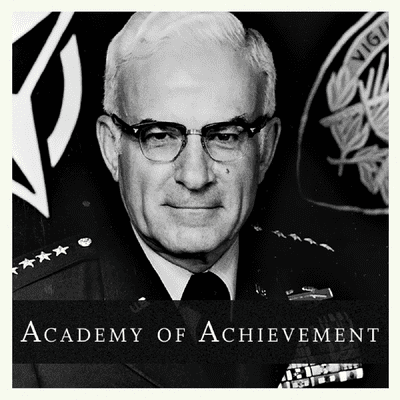
Bernard Rogers
engelsk
Nyheter og politikk
Prøv gratis i 14 dager
99 kr / Måned etter prøveperioden.Avslutt når som helst.
- 20 timer lydbøker i måneden
- Eksklusive podkaster
- Gratis podkaster
Les mer Bernard Rogers
Bernard William Rogers (July 16, 1921 – October 27, 2008) served as Chief of Staff of the United States Army and later as NATO’s Supreme Allied Commander, Europe. He attended the U.S. Military Academy, where he was First Captain of the Corps of Cadets. After World War II, he was an aide to General Mark Clark, the commander of U.S. forces in Austria. In 1943, he returned to West Point as an instructor of economics, government and history. In 1947, Rogers received a Rhodes scholarship to Oxford University. He went on to become a decorated infantry commander in the Korean War and held intelligence positions before becoming executive officer to Maxwell D. Taylor, Chairman of the Joint Chiefs of Staff in 1962. As assistant commander of the First Infantry Division in Vietnam in 1966 and 1967, Rogers was awarded the Distinguished Service Cross – the Army's highest award for valor after the Medal of Honor – for leading a successful counterattack against a Vietcong raid on a South Vietnamese special forces camp. He rallied troops on the ground and personally scouted enemy positions from a low-flying helicopter under heavy fire. He returned to West Point as Commandant of the Corps of Cadets from 1967 to 1969, and then took command of the Fifth Infantry Division in Fort Carson, Colorado. At a time of failing morale, he made sweeping changes in the daily routine of soldiers. Rogers established councils for junior officers, enlisted men, and racial minorities to express their concerns and set up a coffeehouse complete with folk singers. Old-line officers were aghast but enlistments soared, and Rogers became known as one of the brightest thinkers in the Army. He continued his reforms as Army chief of staff from 1976 to 1979, improving training programs and developing plans for a modern quick-strike force. He also took steps to make the Army friendlier toward women and minorities. Despite his charmed career, General Rogers was eager to leave the bureaucratic labyrinth of the Pentagon behind when he assumed his post as NATO’s Supreme Allied Commander in 1979, based in Belgium. However, in 1987, when the Reagan administration signed a treaty with the Soviet Union requiring each side to withdraw intermediate-range missiles from Europe, General Rogers called the agreement "foolish." He said the Warsaw Pact's superiority in foot soldiers and conventional weapons left NATO forces at risk of being quickly overrun. His stance drew a pointed rebuke from Secretary of State George Shultz, who called the general's comments "way out of line." General Rogers soon retired. General Rogers, who spent 44 years in uniform, had an unusual combination of talents as a combat commander, intellectual, and statesman. In 1985, General Bernard Rogers participated in the Achievement Summit in Denver, Colorado and addressed the student delegates on his personal lessons of leadership.
Alle episoder
1 EpisoderBernard Rogers
Bernard William Rogers (July 16, 1921 – October 27, 2008) served as Chief of Staff of the United States Army and later as NATO’s Supreme Allied Commander, Europe. He attended the U.S. Military Academy, where he was First Captain of the Corps of Cadets. After World War II, he was an aide to General Mark Clark, the commander of U.S. forces in Austria. In 1943, he returned to West Point as an instructor of economics, government and history. In 1947, Rogers received a Rhodes scholarship to Oxford University. He went on to become a decorated infantry commander in the Korean War and held intelligence positions before becoming executive officer to Maxwell D. Taylor, Chairman of the Joint Chiefs of Staff in 1962. As assistant commander of the First Infantry Division in Vietnam in 1966 and 1967, Rogers was awarded the Distinguished Service Cross – the Army's highest award for valor after the Medal of Honor – for leading a successful counterattack against a Vietcong raid on a South Vietnamese special forces camp. He rallied troops on the ground and personally scouted enemy positions from a low-flying helicopter under heavy fire. He returned to West Point as Commandant of the Corps of Cadets from 1967 to 1969, and then took command of the Fifth Infantry Division in Fort Carson, Colorado. At a time of failing morale, he made sweeping changes in the daily routine of soldiers. Rogers established councils for junior officers, enlisted men, and racial minorities to express their concerns and set up a coffeehouse complete with folk singers. Old-line officers were aghast but enlistments soared, and Rogers became known as one of the brightest thinkers in the Army. He continued his reforms as Army chief of staff from 1976 to 1979, improving training programs and developing plans for a modern quick-strike force. He also took steps to make the Army friendlier toward women and minorities. Despite his charmed career, General Rogers was eager to leave the bureaucratic labyrinth of the Pentagon behind when he assumed his post as NATO’s Supreme Allied Commander in 1979, based in Belgium. However, in 1987, when the Reagan administration signed a treaty with the Soviet Union requiring each side to withdraw intermediate-range missiles from Europe, General Rogers called the agreement "foolish." He said the Warsaw Pact's superiority in foot soldiers and conventional weapons left NATO forces at risk of being quickly overrun. His stance drew a pointed rebuke from Secretary of State George Shultz, who called the general's comments "way out of line." General Rogers soon retired. General Rogers, who spent 44 years in uniform, had an unusual combination of talents as a combat commander, intellectual, and statesman. In 1985, General Bernard Rogers participated in the Achievement Summit in Denver, Colorado and addressed the student delegates on his personal lessons of leadership.
Velg abonnementet ditt
Mest populær
Premium
20 timer lydbøker
Eksklusive podkaster
Ingen annonser i Podimo shows
Avslutt når som helst
Prøv gratis i 14 dager
Deretter 99 kr / måned
Premium Plus
100 timer lydbøker
Eksklusive podkaster
Ingen annonser i Podimo shows
Avslutt når som helst
Prøv gratis i 14 dager
Deretter 169 kr / måned
Bare på Podimo




















Populære lydbøker












Prøv gratis i 14 dager. 99 kr / Måned etter prøveperioden. Avslutt når som helst.